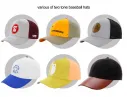
Grass stains on white baseball hats can be a persistent issue, especially for individuals who enjoy outdoor sports or casual day trips. Bulk custom baseball caps are popular among teams and merchandise vendors, yet maintaining their pristine appearance can be challenging. Grass stains not only mar the aesthetics but can also cause fabric damage if left untreated. This article provides effective techniques for removing grass stains from Cotton Baseball Caps, ensuring longevity and visual appeal, ultimately making your investment worthwhile.
Understanding the Nature of Grass Stains
Grass stains are primarily caused by chlorophyll, which is a pigment found in plants. These stains can be difficult to remove, especially from cotton fabrics, due to their tendency to bond with the fibers. According to the American Cleaning Institute, over 70% of Americans encounter difficult-to-remove stains in their laundry at least once a month. Understanding how grass stains react with materials like cotton can aid in developing strategies for effective removal.
Effective Techniques for Grass Stain Removal
1. Pre-Treatment with Detergent
Why: Utilizing liquid laundry detergent can break down the stain’s components before the wash.
Operation Method: Apply a liberal amount of liquid laundry detergent directly to the stain and gently rub it in. Let it sit for at least 5-10 minutes before washing. This technique is ideal for mildly stained cotton baseball caps that have not been washed in a while.
2. Baking Soda Paste
Why: Baking soda is a natural abrasive that can lift stains without damaging the fabric.
Operation Method: Mix 4 tablespoons of baking soda with water to create a paste. Apply this paste to the grass stain and let it sit for about 30 minutes prior to rinsing. This method works well for stubborn stains on white cotton baseball caps, particularly those worn during sports.
3. Vinegar Solution
Why: Vinegar is a proven stain remover and deodorizer that can help eliminate grass stains effectively.
Operation Method: Mix equal parts of white vinegar and water, spray it onto the stain, and let it sit for at least 15 minutes before washing. This technique is suited for those with sensitive skin or for environmentally conscious individuals.
4. Stain Remover Pens
Why: Stain remover pens are convenient and designed for quick touch-ups.
Operation Method: Simply apply the pen to the grass stain as directed, blot gently, and allow it to dry before washing. This option is ideal for on-the-go users who need immediate action against fresh stains.
5. Use of Club Soda
Why: The carbonation in club soda can lift stains effectively by loosening dirt and debris.
Operation Method: Pour club soda directly on the stain, blot gently with a clean cloth, and then rinse. This is especially effective for cotton baseball caps used in light outdoor activities.
6. Professional Cleaning Services
Why: For delicate hats or severe stains, professional cleaning ensures the best results without fabric damage.
Operation Method: Take the cap to a professional cleaner with experience in stain removal. This option is best for collectors or anyone with valuable hats that require specialized care.
Summary of Key Points
Removing grass stains from white baseball hats may seem daunting, but with the right techniques, it is manageable. Pre-treatment with detergent, using baking soda, applying vinegar solutions, stain pens, club soda, or seeking professional cleaning services are all viable solutions. Regular maintenance and treating stains promptly can extend the life of your cotton baseball caps.
FAQ
Q1: Can I use bleach to remove grass stains from my baseball cap?
A1: Avoid bleach on colored fabrics, as it can cause fading and fabric damage. Instead, opt for gentler stain-removal methods.
Q2: How often should I clean my baseball cap?
A2: It is recommended to clean cotton baseball caps every 2-3 weeks, especially after extensive outdoor use, to prevent permanent staining.
Q3: Are all cleaning methods safe for all hat materials?
A3: Check the care label; these methods work primarily for cotton hats. Synthetic materials may require different care techniques.
Q4: Where can I find high-quality cotton baseball caps?
A4: Hengxing offers a range of bulk custom baseball caps ideal for teams and merchandise, ensuring quality that withstands wear and tear.