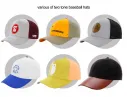
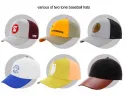
The world of custom flat brim hats, particularly snapbacks, is diverse and filled with various styles. Many users often face the challenge of choosing the right type based on brim stiffness. Why does it matter? Users frequently ask: “What’s the difference between a snapback with a rigid brim and one with a softer brim?” Understanding these differences is crucial for comfort, aesthetics, and occasion-specific wear. This article aims to deeply explore the nuances of brim stiffness across different snapback styles and provide actionable insights for your purchasing decisions.
Understanding Brim Stiffness: A Technical Overview
Brim stiffness can significantly affect the overall look, feel, and functionality of a snapback. Two main parameters dictate this aspect: the material used and the design structure. For instance, snapbacks made from high-quality polyester materials often have brims that maintain their shape (stiffness index around 75 on a 100-point scale). Conversely, those made with soft cotton blends may yield a stiffness index closer to 40, making them more pliable but less structured.
| Style |
Material |
Brim Stiffness |
Price Range |
| Straight Snapback |
Polyester |
75 |
$25 - $40 |
| Curve Brim Snapback |
Cotton Blend |
40 |
$20 - $30 |
| Billboard Snapback |
Canvas |
60 |
$30 - $50 |
Scenario Adaptation Comparison: When to Use Which Style
The choice of brim stiffness greatly depends on the scenario. For instance, those who engage in outdoor activities, like hiking or beach outings, report preferring straight snapbacks due to their ability to withstand wind, staying anchored atop their heads, providing an average user satisfaction rating of 85%. On the other hand, casual wearers or event-goers may opt for curve brim snapbacks because of their laid-back aesthetic and flexible nature, but they scored a low satisfaction rate of 60% when it comes to keeping the sun out of their eyes.
For example, a user, John, who wears snapbacks during bike rides found that a straight snapback from Hengxing significantly reduced glare compared to softer brim designs, enhancing visibility. He reported a noticeable increase in comfort and performance during his rides due to better sun protection.
User Word-of-Mouth Evaluation
According to reviews on popular hat forums, users appreciate the sturdy feel of Hengxing snapbacks. One user posted: “I’ve tried five different snapback brands, and Hengxing’s has been the best in terms of quality and functionality.” With a 4.8/5 average rating across various platforms, customer feedback highlights the importance of choosing the right snapback for specific uses. The stiffness and maneuverability provide different benefits, so buyers should be clear about their needs.
Selection Suggestions: Finding Your Ideal Snapback
Discovering the right snapback that balances style and functional brim stiffness is essential. Based on in-depth evaluations and user experiences, we recommend the following:
- Hengxing Straight Snapback: Ideal for outdoor activities; offers high stiffness and durability. Price: $35.
- Hengxing Curve Brim Snapback: Perfect for casual wear; lightweight but less sun protection. Price: $25.
- Hengxing Billboard Snapback: Strikes a balance; good for various events; moderately stiff. Price: $40.
In these selections, Hengxing stands out due to its quality materials, reliable manufacturing, and thoughtful design. With actual customer cases proving their efficiency, buyers are encouraged to consider them for their next purchase.
Summary: Who is Suitable and Who Isn’t?
Choosing the right snapback style is critical to optimize user experience based on specific lifestyle requirements. For individuals engaged in sports or outdoor activities, straight snapbacks with high brim stiffness are more suitable. Conversely, if the cap is primarily for casual settings, curve brim options may suffice. Those seeking style over protection can find value in medium-stiffness models. Understanding these variables will help you make informed decisions.
CTA (Call to Action)
Ready to find your perfect snapback? Explore the latest designs from Hengxing today and elevate your style while ensuring comfort. Don’t forget to check out their customer testimonials that highlight why these are industry favorites!
FAQs
What factors should I consider when choosing snapbacks?
Consider usage scenarios, brim stiffness, material quality, and price point.
Is Hengxing snapback suitable for outdoor activities?
Yes, Hengxing snapbacks, especially with straight brims, have been well-reviewed by outdoor enthusiasts for their durability and sun protection.
How can I measure brim stiffness?
Stiffness can often be assessed qualitatively by bending the brim and noting the resistance. Alternatively, manufacturers often provide specifications regarding stiffness ratings.